
Explainer · July 23, 2026 · 7 min · By Stellan Cho
Why Under-Eye Filler Swells: the Hydrophilic Truth About Hyaluronic Acid
Hyaluronic acid is chosen for the under-eye because it binds water, and that exact property is why the same filler can quietly puff and swell weeks later under the thinnest skin on your face.
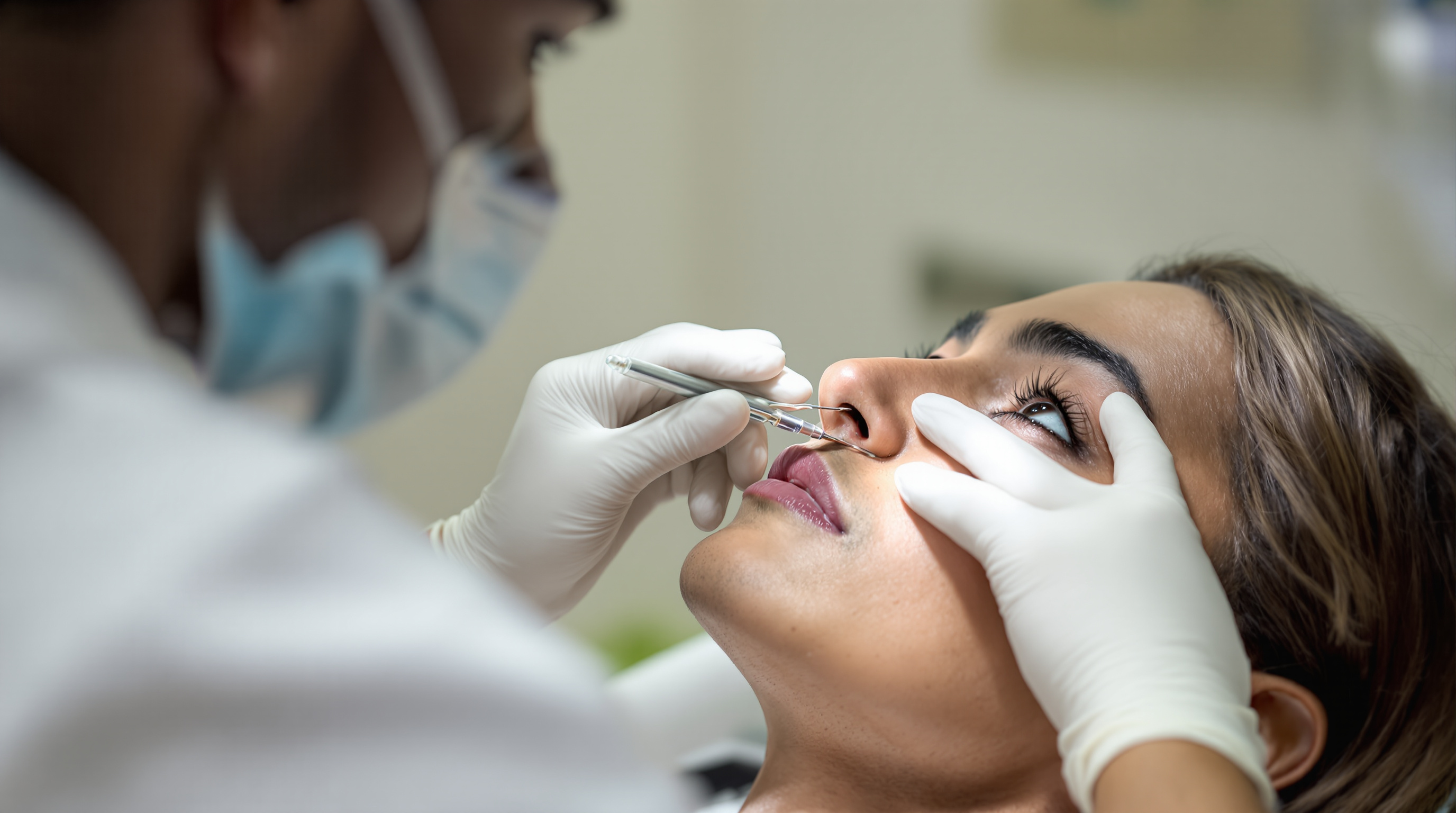
The result looked perfect at the two-week check. Then, a month or so later, you notice the under-eye is puffier and heavier than it was, worse first thing in the morning, and you assume the filler must have moved. Very often it did not move at all. It did exactly what hyaluronic acid is designed to do, which is hold water. That single fact explains a huge share of under-eye filler disappointment, and almost no one is told it before they book.
This article gives you two tools you will not find on a menu: a swell-risk self-check you can run before your appointment to predict how prone you are to this, and a short product-question script to bring to the injector that stacks the odds in your favor. The goal is to keep the water problem from ever starting.
Start with the mechanism, because it is the whole story. Hyaluronic acid is hydrophilic, meaning it attracts and binds water, holding many times its own weight in it, a property the StatPearls monograph on hyaluronic acid describes as central to how it works. That water-binding is not a defect; it is the reason the gel plumps a hollow at all. But under the eye, the same property has a second, less welcome effect: the filler keeps drawing water to itself over time, and under the thinnest skin on the body that swelling has nowhere to hide.
The under-eye is uniquely unforgiving here for two reasons. The skin is barely a millimeter thick, so there is no cushion to conceal even a small amount of extra volume. And fluid naturally pools in this area, especially overnight when you lie flat, which is why hydrophilic filler so often looks worst in the morning and settles a little by afternoon. You are watching your own fluid balance play out on top of a gel that is actively holding water.
It is worth separating this from two things it gets confused with, because the fix differs for each. Malar edema, covered in our piece on puffiness after under-eye filler, is trapped fluid sitting above a cheek ligament, a drainage problem rather than the filler itself swelling. Migration is filler physically spreading to where it was not placed. Hydrophilic swelling is different from both: the filler stays put and binds water in place. All three read as puffiness in the mirror, but only precise attribution leads to the right correction.
Now the self-check, part one. Before you book, watch your own baseline. Do you already wake with puffy under-eyes that ease as the day goes on? Does salt, a poor night's sleep, or allergy season visibly swell the area? If yes, you are fluid-prone, and a water-binding filler will amplify a tendency you already have. That does not forbid treatment, but it moves you into the cautious column, where small volumes and a low-swell product matter enormously.
Part two, the product-question script. Not every hyaluronic acid filler binds water to the same degree; the products differ in how tightly they are made and how much they draw fluid. Ask your injector directly to use a low-hydrophilic, low-swell filler chosen for the tear trough, to place it deep against the bone rather than superficially, and to deliberately underfill, since you can always add later but you cannot easily un-swell. The U.S. Food and Drug Administration stresses in its dermal filler guidance that product selection and a qualified injector are central to safety, and our overview of which fillers are used under the eyes covers the specific options worth naming in that conversation.
If swelling does set in despite everything, take comfort in the exit. Hyaluronic acid fillers are dissolvable with the enzyme hyaluronidase, and knowing when to dissolve under-eye filler is part of a good plan, not an admission of failure; the StatPearls entry on hyaluronidase describes how it reverses these gels within a day or two. A puffy under-eye is a correctable outcome, not a permanent one.
And here is what the studies do not tell you cleanly. The exact amount of water a specific branded filler will bind inside your living tear trough is not something the literature publishes per product. Manufacturers report laboratory measures of firmness and swelling, but those are bench numbers under controlled conditions, not a prediction for the fluid dynamics of your particular face. That gap is precisely why an injector's hands-on experience with a specific product in real under-eyes matters more than any spec sheet, and why you should weight track record over marketing.
The takeaway rewrites how you read a delayed change. If your under-eye grew puffier weeks after a filler that looked perfect at first, suspect water before you suspect movement, and bring that suspicion to your injector so the right fix is chosen. Better still, prevent it: run the fluid-prone self-check, insist on a low-swell product placed conservatively, and treat the under-eye like the water-sensitive, thin-skinned region it is. The filler doing its job and the filler looking wrong are, under this eye, the same chemistry pointed in two directions.